TAMPERE UNIVERSITY OF TECHNOLOGY
Department of Signal Processing
TAMPERE UNIVERSITY OF TECHNOLOGY
Department of Signal Processing
Abstract |
Software |
Results |
People |
Related work |
Publications |
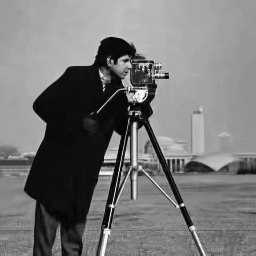
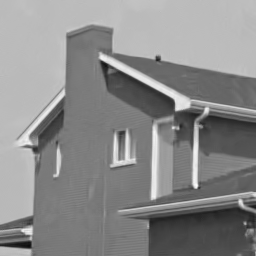
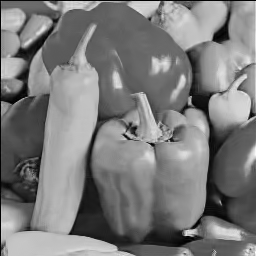
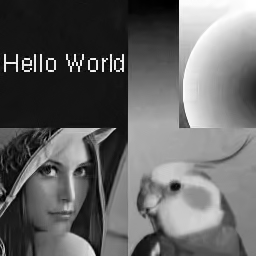
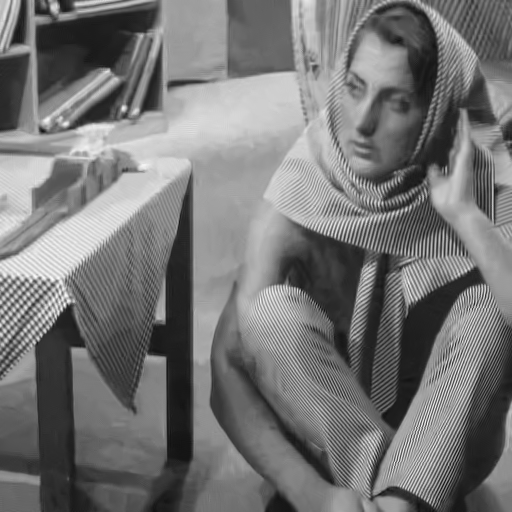
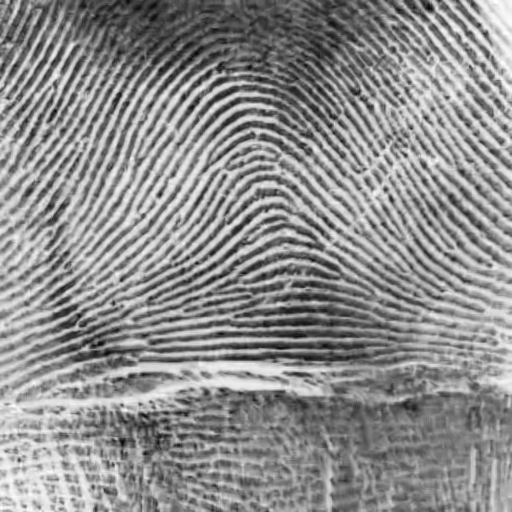
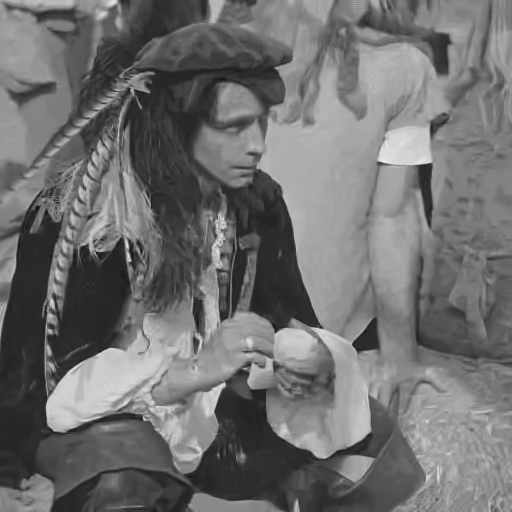
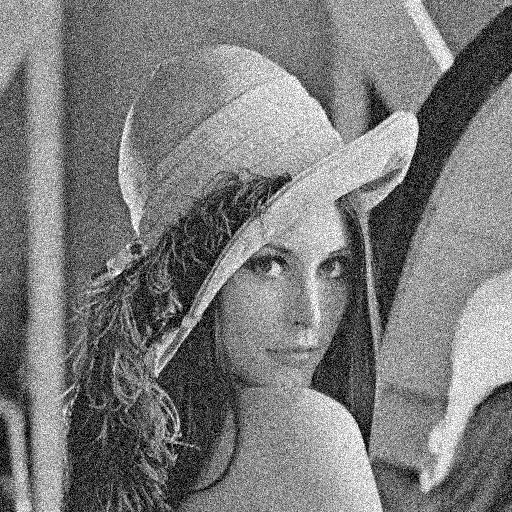
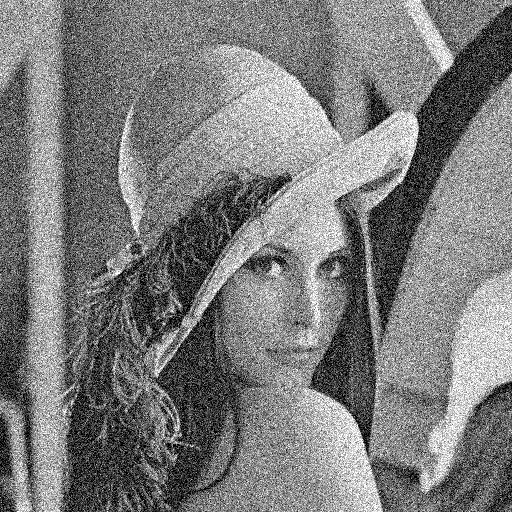
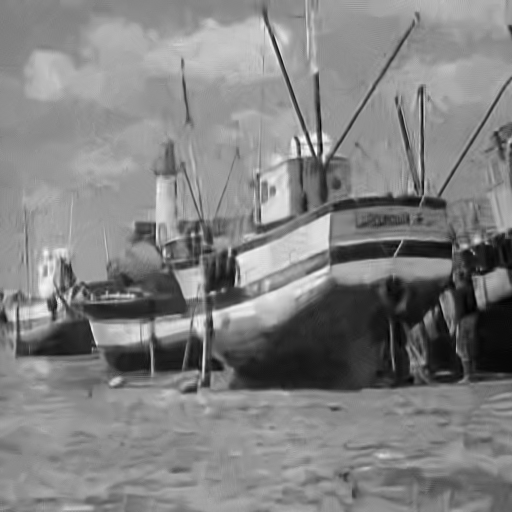
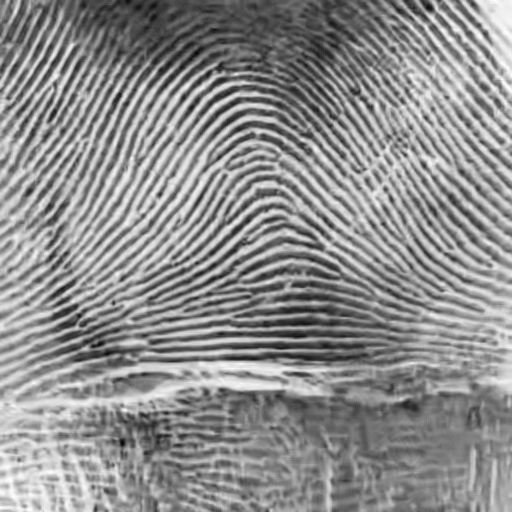
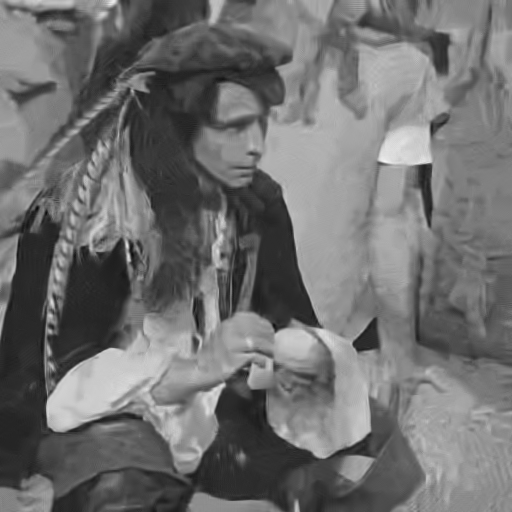
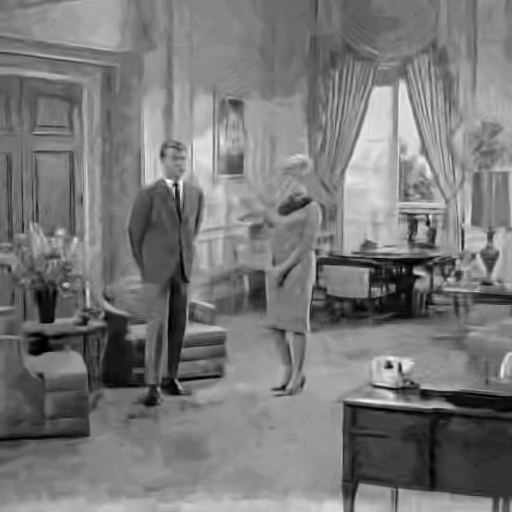
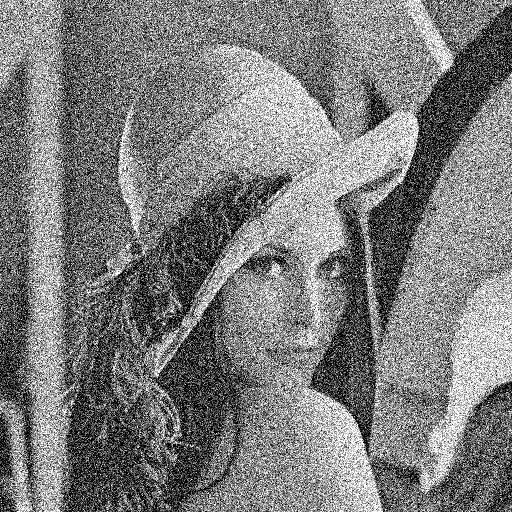
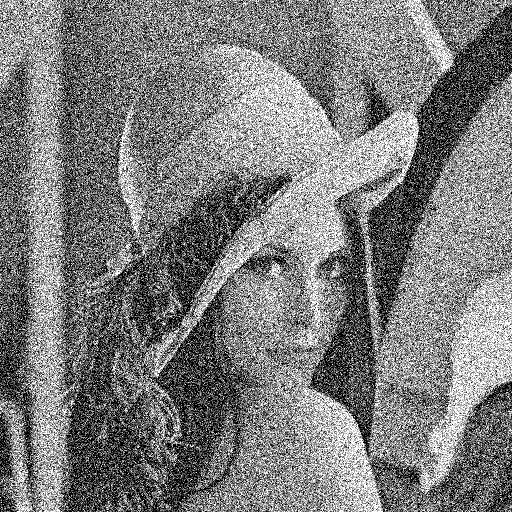
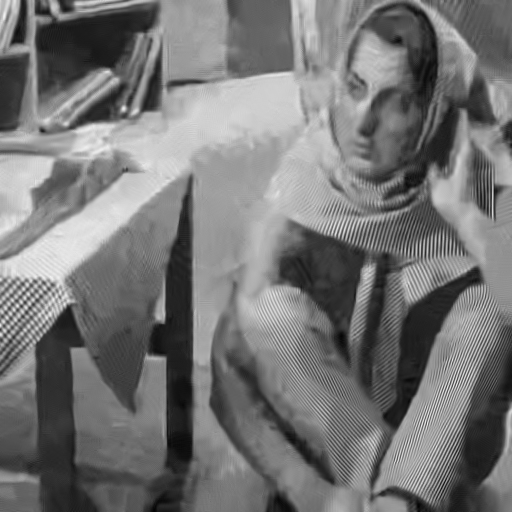
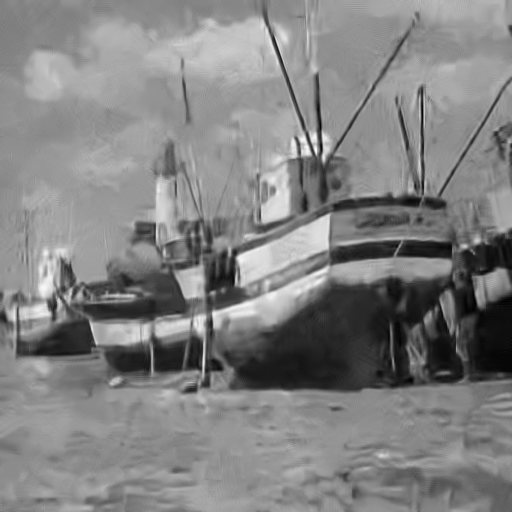
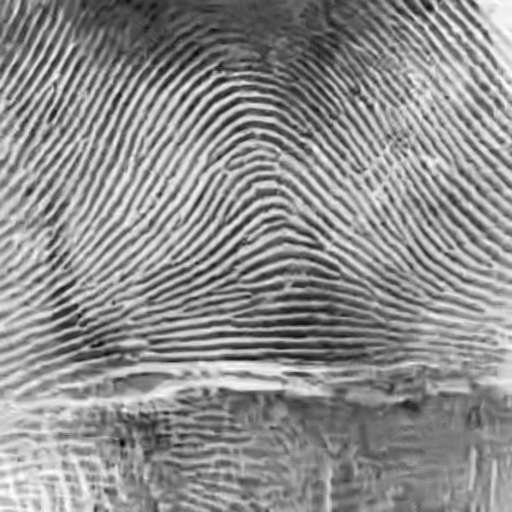
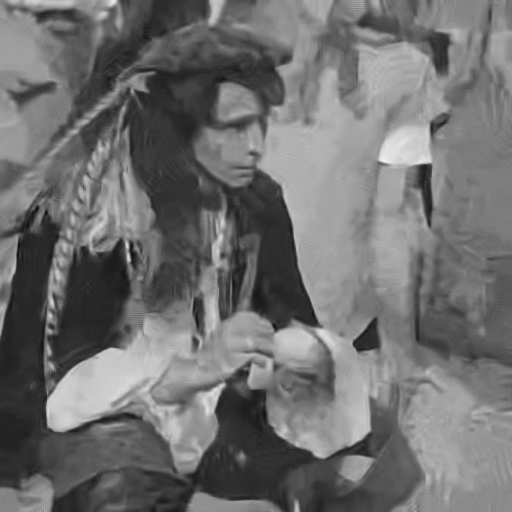
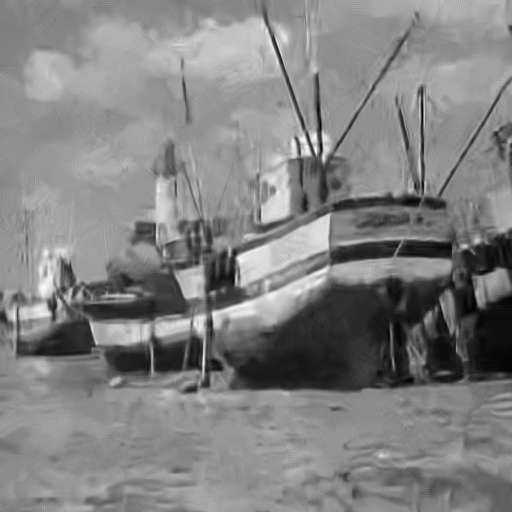
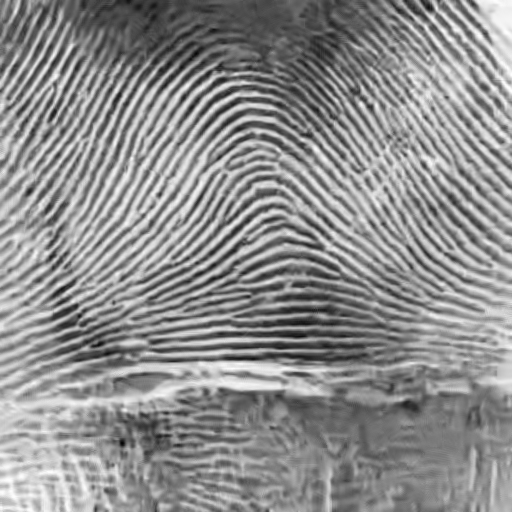
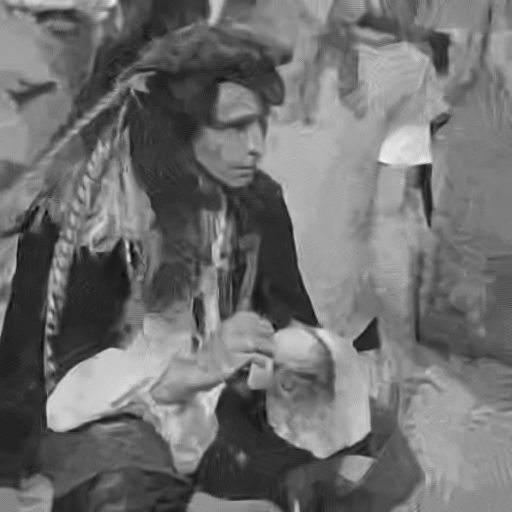
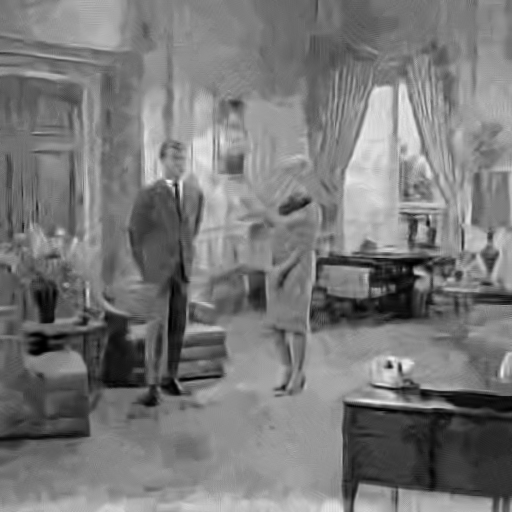
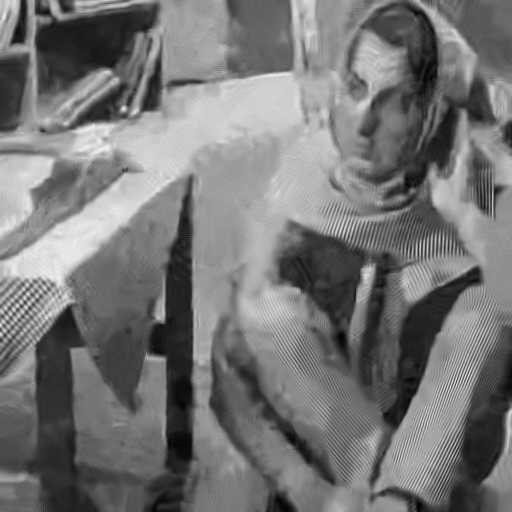
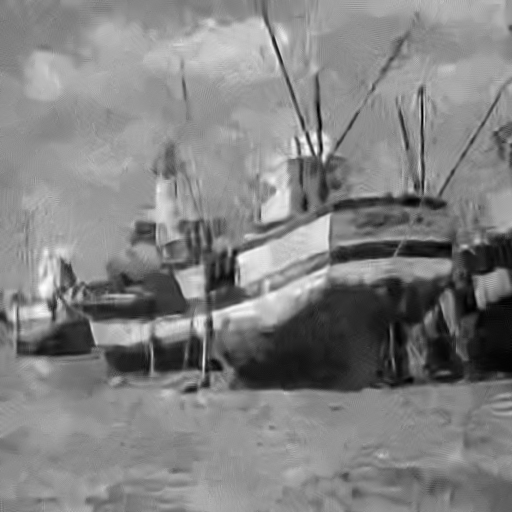
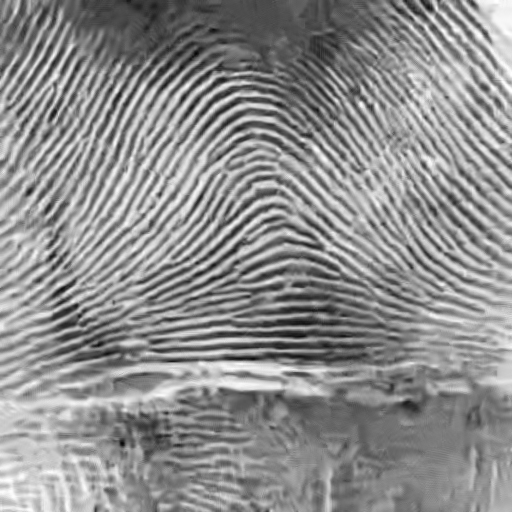
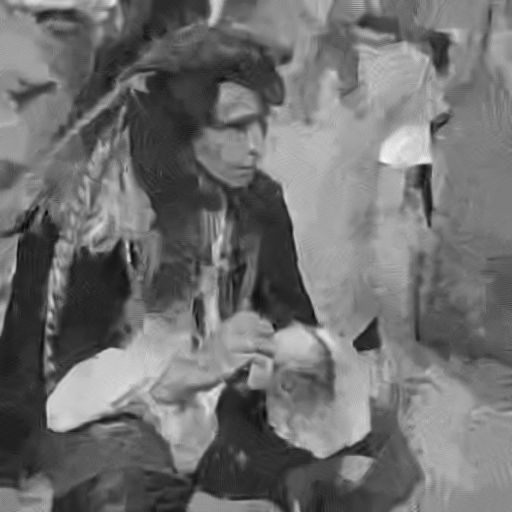
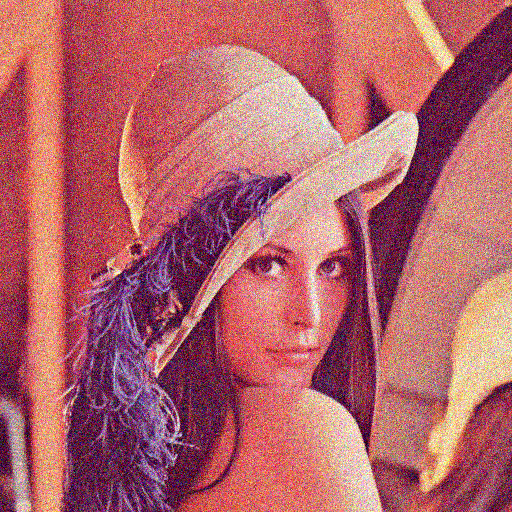
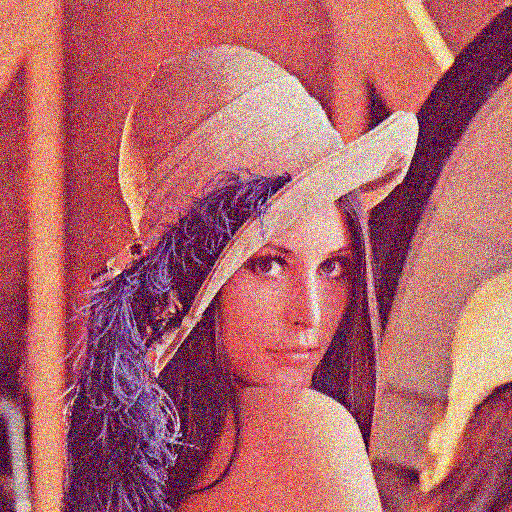
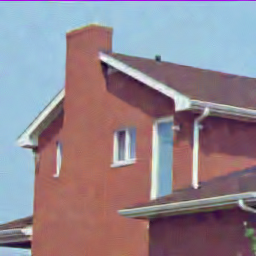
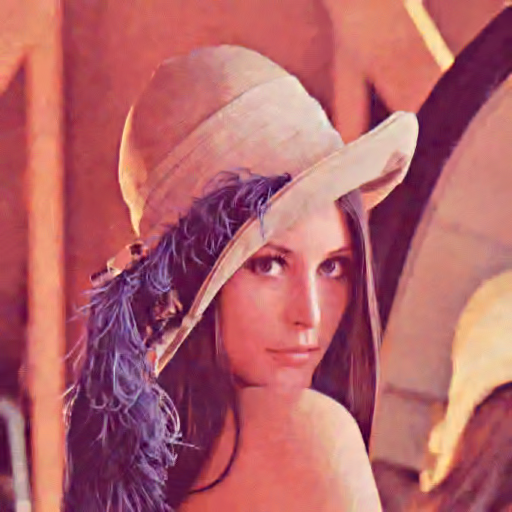
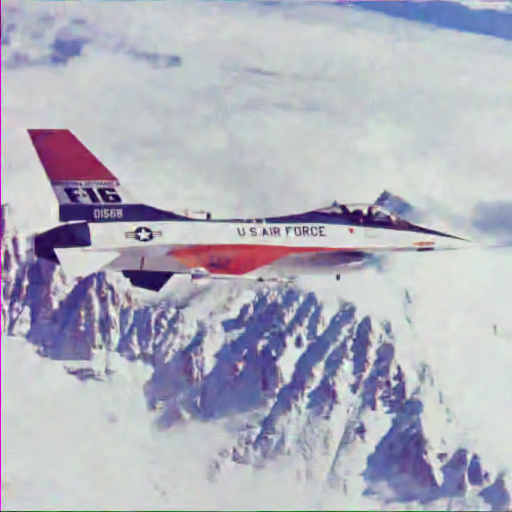
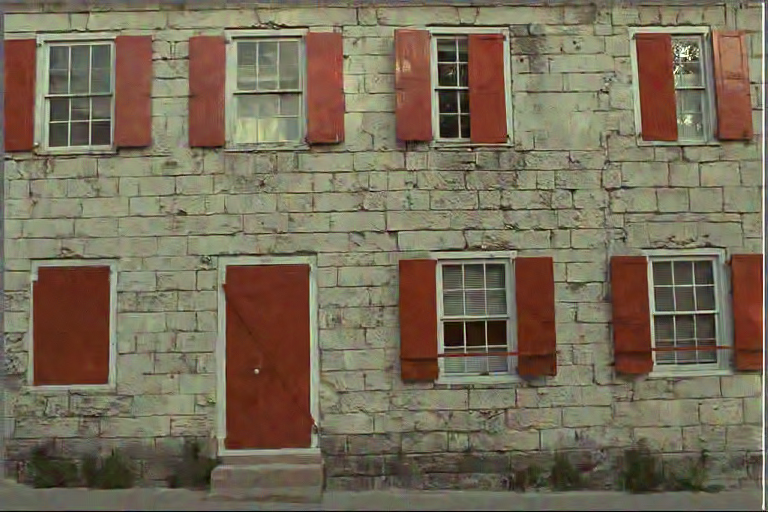
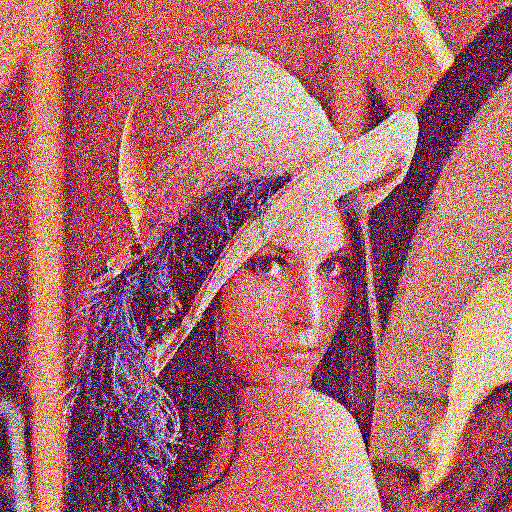
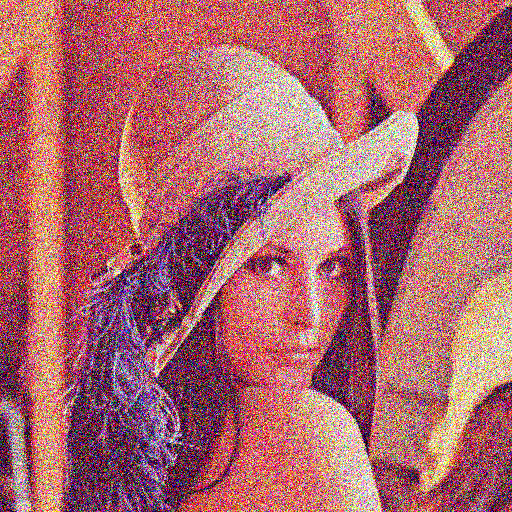
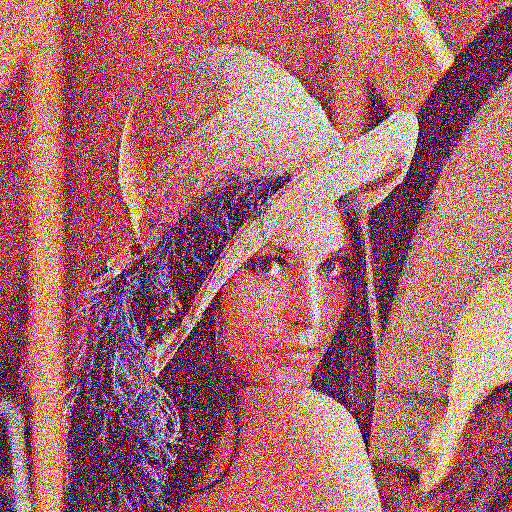
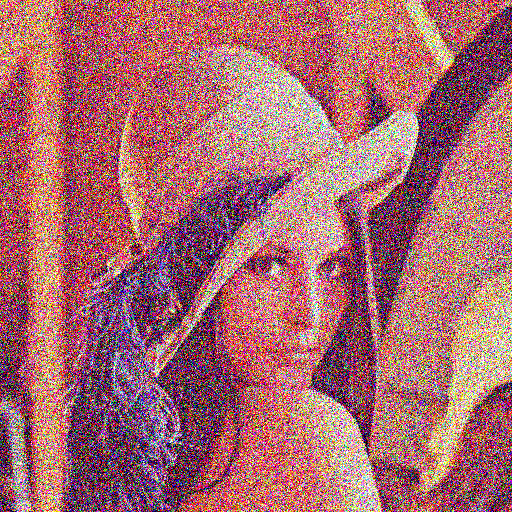
We propose a novel image denoising strategy based on an enhanced sparse representation in transform-domain. The enhancement of the sparsity is achieved by grouping similar 2D image fragments (e.g. blocks) into 3D data arrays which we call "groups".
Collaborative filtering is a special procedure developed to deal with these 3D groups. We realize it using the three successive steps: 3D transformation of 3D group, shrinkage of transform spectrum, and inverse 3D transformation. The result is a 3D estimate that consists of the jointly filtered grouped image blocks. By attenuating the noise, the collaborative filtering reveals even the finest details shared by grouped blocks and at the same time it preserves the essential unique features of each individual block. The filtered blocks are then returned to their original positions.
Because these blocks are overlapping, for each pixel we obtain many different estimates which need to be combined. Aggregation is a particular averaging procedure which is exploited to take advantage of this redundancy.
A significant improvement is obtained by a specially developed collaborative Wiener filtering.
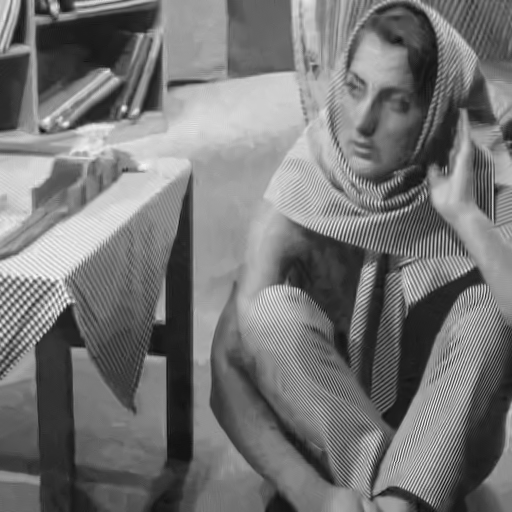
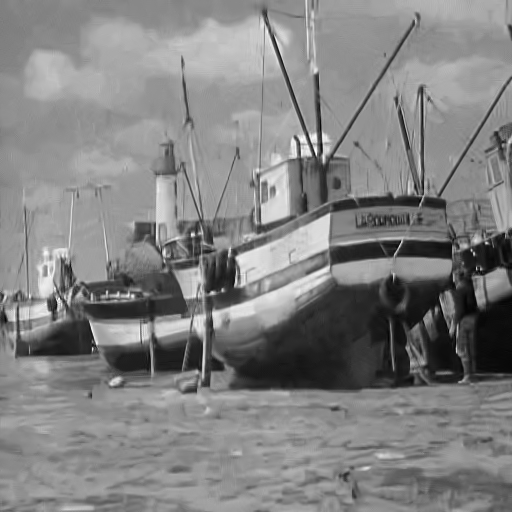
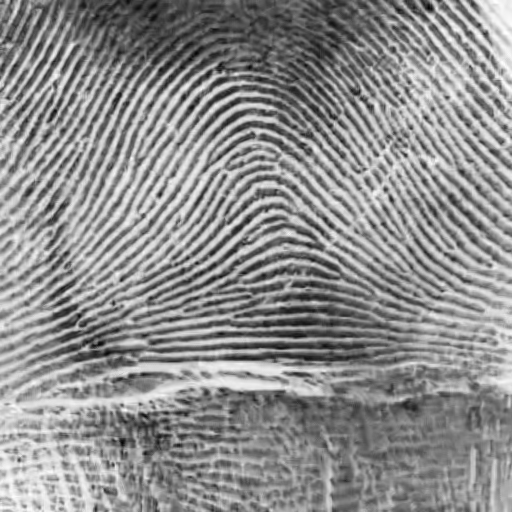
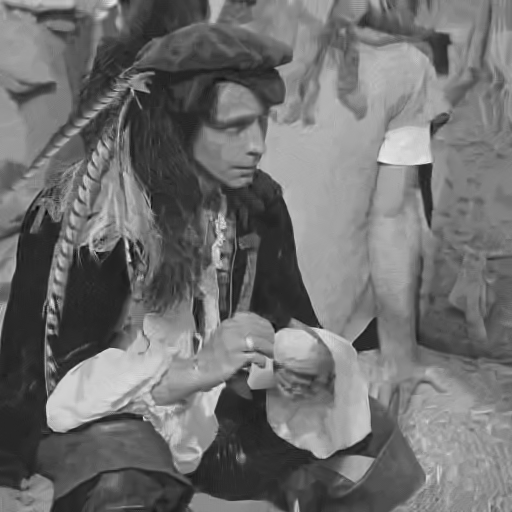
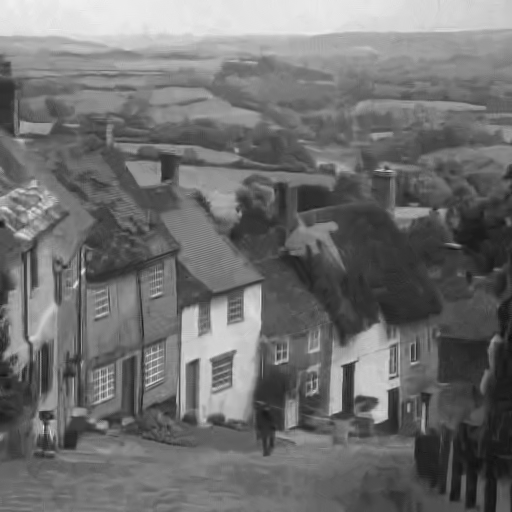
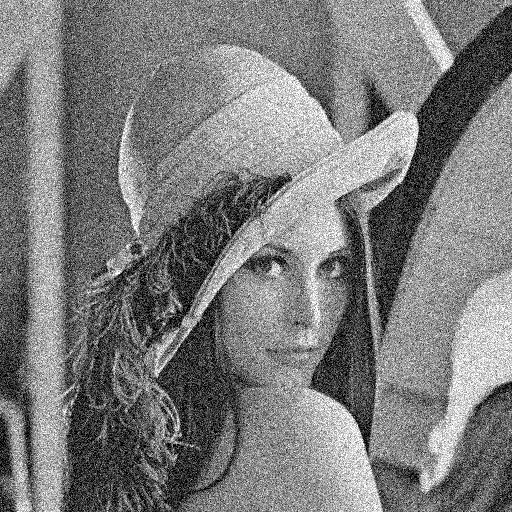
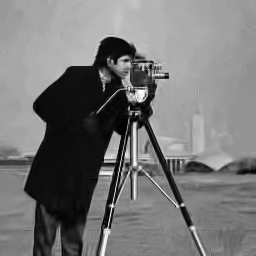
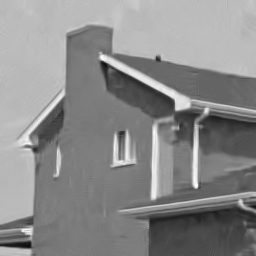
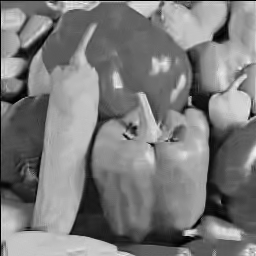
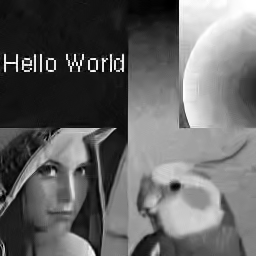
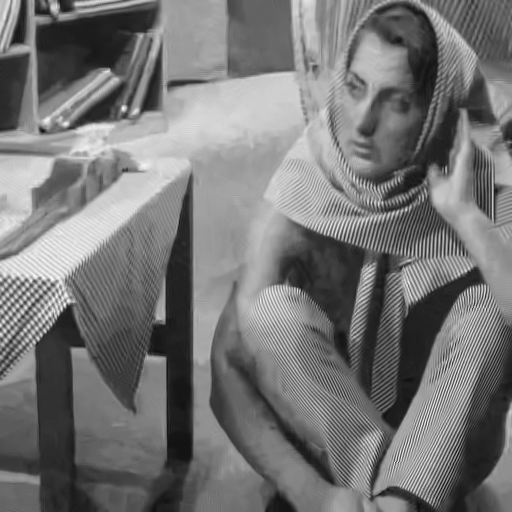
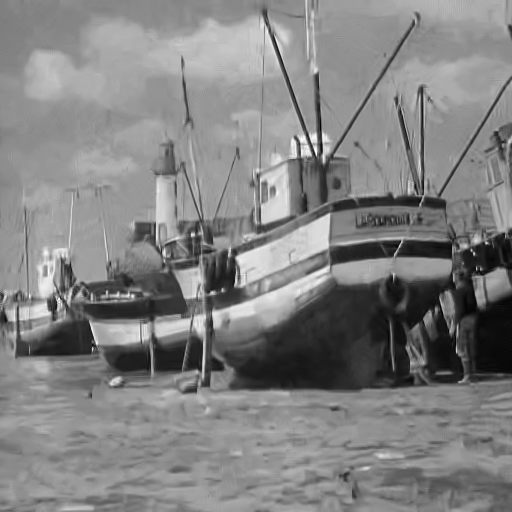
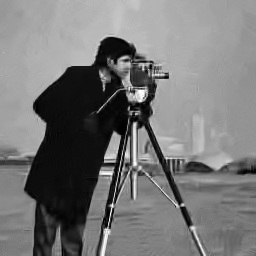
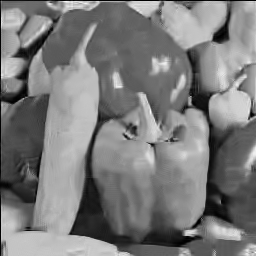
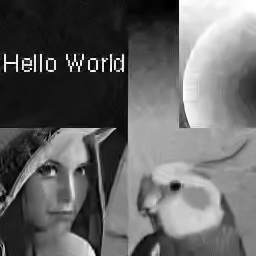
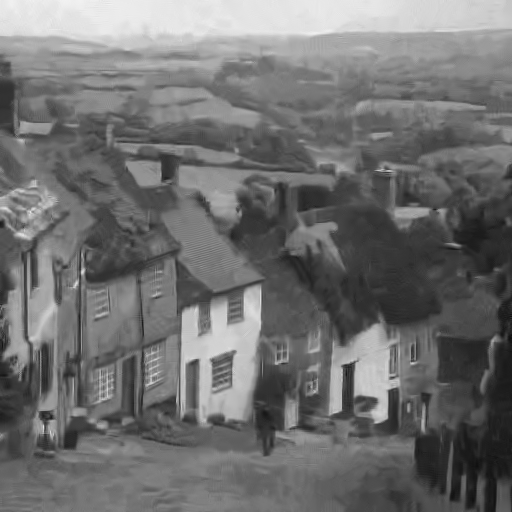
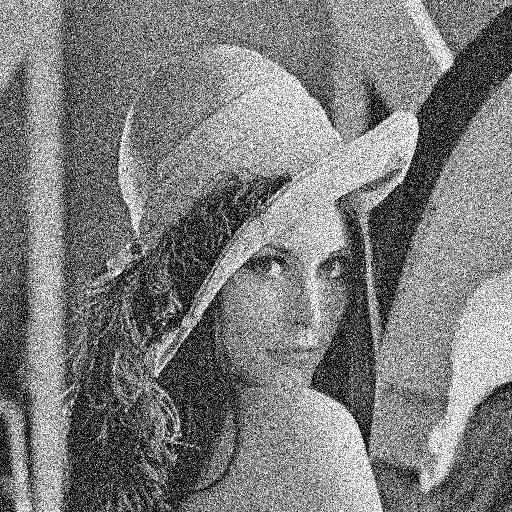
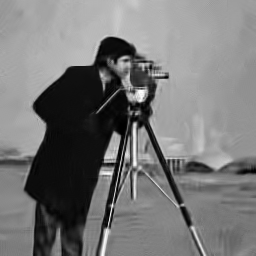
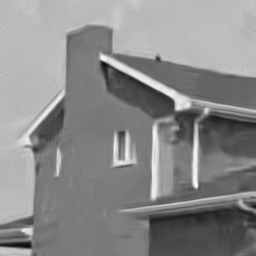
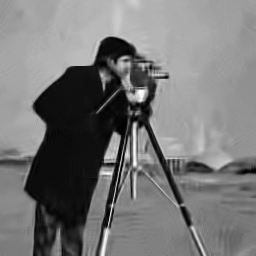
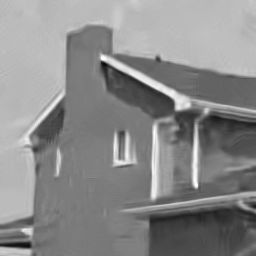
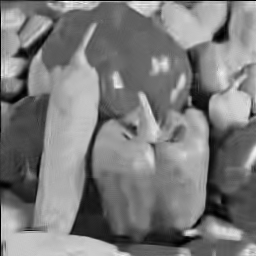
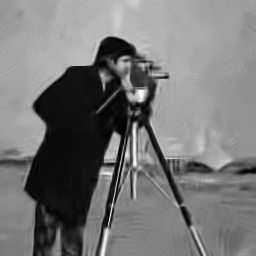
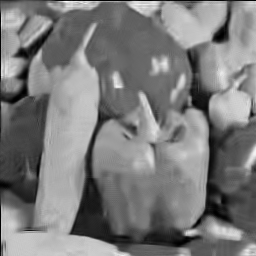
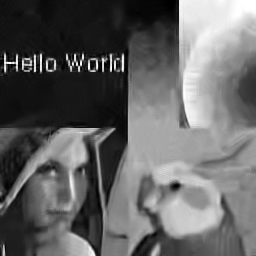
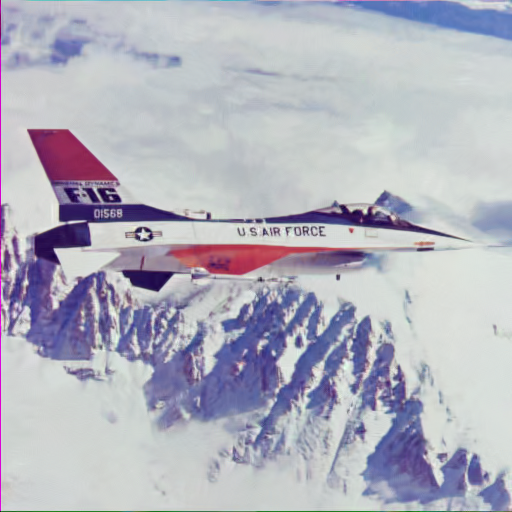
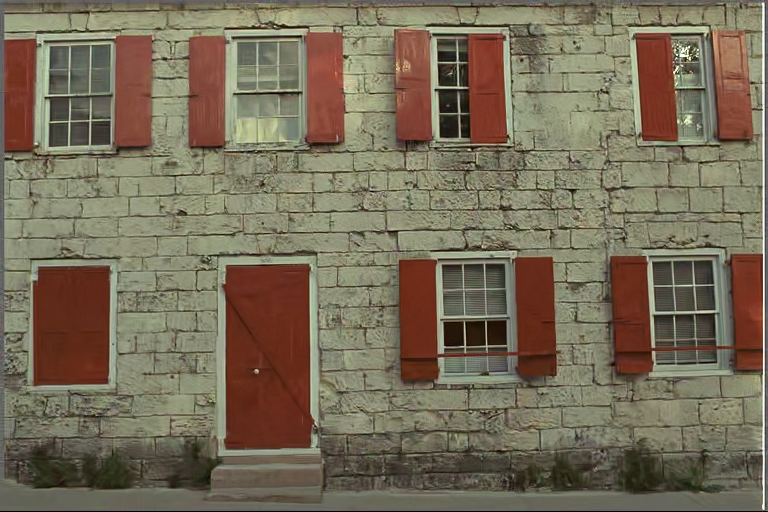
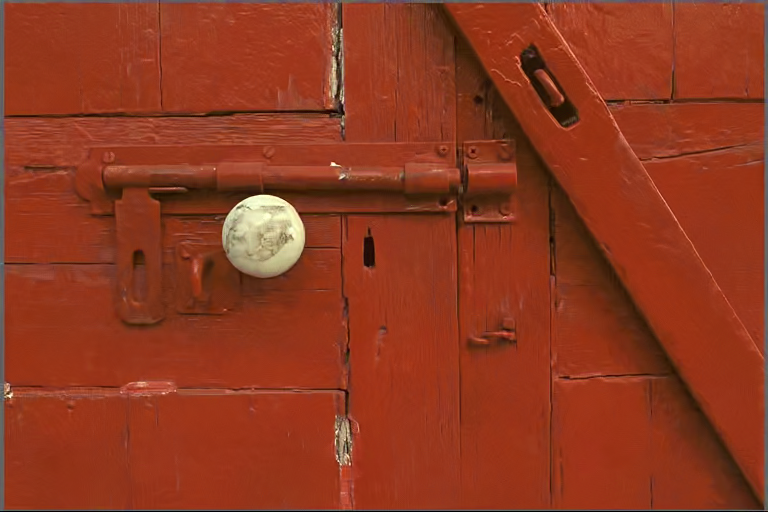
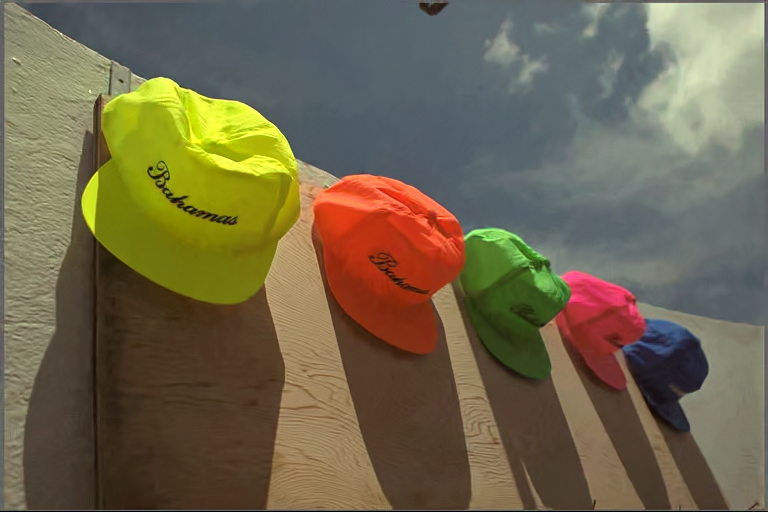
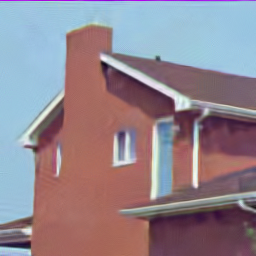
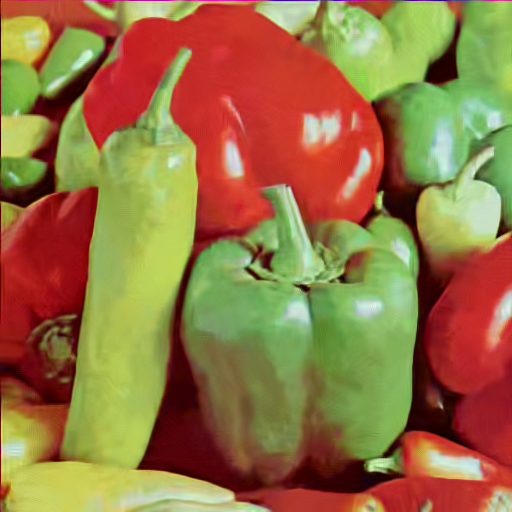
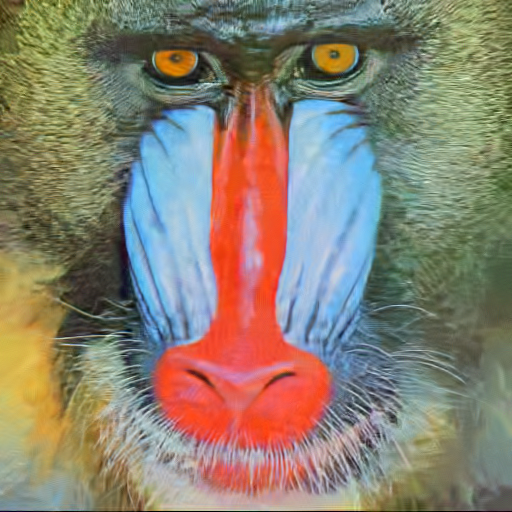
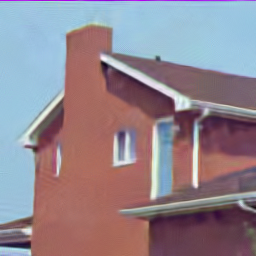
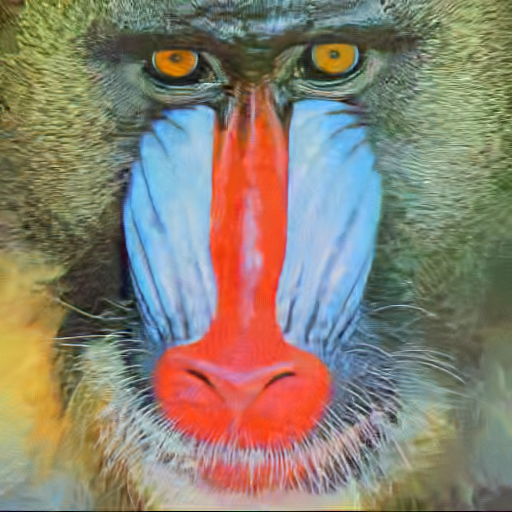
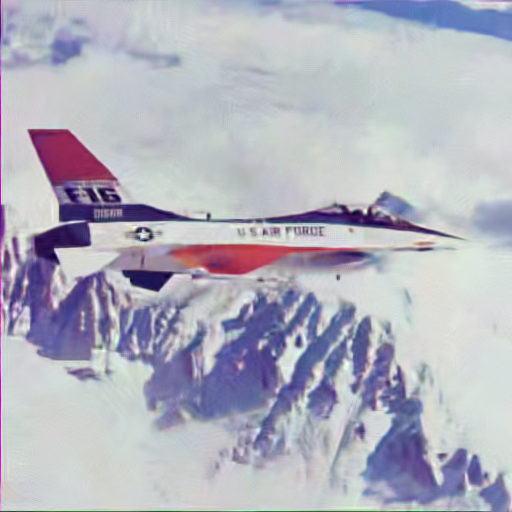
We develop algorithms based on this novel denoising strategy. The experimental results presented here demonstrate that the developed methods achieve state-of-the-art denoising performance in terms of both peak signal-to-noise ratio and subjective visual quality.
 before you proceed with downloading any of the files.
|
Application of BMxD to signal-dependent noise: |
|||||||||||||||||
|
- Poisson and mixed Poisson-Gaussian (photon-limited imaging) - Rice distribution (MRI) - Clipped Poisson-Gaussian (raw data) |
| σ¹/PSNR | Salesman 288x352@50 |
Tennis 240x352@150 |
Flower garden 240x352@150 |
Miss America 288x360@150 |
Costguard 144x176@300 |
Foreman 288x352@300 |
Bus 288x352@150 |
Bicycle 576x720@30 |
| 5 / 34.16 | 40.44 | 38.47 | 36.49 | 41.58 | 38.25 | 39.77 | 37.55 | 40.89 |
| 10 / 28.13 | 37.21 | 34.68 | 32.11 | 39.61 | 34.78 | 36.46 | 33.32 | 37.62 |
| 15 / 24.61 | 35.44 | 32.63 | 29.81 | 38.64 | 33.00 | 34.64 | 31.05 | 35.67 |
| 20 / 22.11 | 34.04 | 31.20 | 28.24 | 38.85 | 31.71 | 33.30 | 29.57 | 34.18 |
| 25 / 20.18 | 32.79 | 30.11 | 27.00 | 37.10 | 30.62 | 32.19 | 28.48 | 32.90 |
| 30 / 18.59 | 31.68 | 29.22 | 25.89 | 36.41 | 29.68 | 31.27 | 27.59 | 31.77 |
| 35 / 17.25 | 30.72 | 28.56 | 25.16 | 36.87 | 28.92 | 30.56 | 26.91 | 30.85 |
¹ The noisy images/videos were created by adding zero-mean white Gaussian noise with the following MATLAB commands:
randn('seed', 0);
noisy = original + sigma*randn(size(original));
| σ | Salesman 288x352@50 |
Tennis 240x352@150 |
Flower garden 240x352@150 |
|||
| Noisy | Denoised | Noisy | Denoised | Noisy | Denoised | |
| 15 | 24.71 | 35.44 | 24.78 | 32.61 | 24.88 | 29.78 |
| 20 | 22.32 | 34.07 | 22.33 | 31.18 | 22.46 | 28.21 |
Ymir Mäkinen
Lucio Azzari
Enrique Sánchez-Monge
Matteo Maggioni
Aram Danielyan
Kostadin Dabov
Alessandro Foi
Vladimir Katkovnik
Karen Egiazarian
Compressed Sensing Image Reconstruction, Image Upsampling, and Image/Video Super-Resolution via Recursive Spatially Adaptive Filtering
A preliminary version of BM3D using exclusively the DFT
Shape-Adaptive Transforms Filtering (Pointwise SA-DCT algorithm).
Y. Mäkinen, L. Azzari, and A. Foi, “Collaborative Filtering of Correlated Noise: Exact Transform-Domain Variance for Improved Shrinkage and Patch Matching”, IEEE Trans. Image Process., vol. 29, pp. 8339-8354, 2020.  https://doi.org/10.1109/TIP.2020.3014721
Y. Mäkinen, L. Azzari, and A. Foi, “Exact Transform-Domain Noise Variance for Collaborative Filtering of Stationary Correlated Noise”, Proc. 2019 IEEE Int. Conf. Image Process. (ICIP), pp. 185-189, Taipei, Taiwan, September 22-25, 2019. http://doi.org/10.1109/ICIP.2019.8802964
L. Azzari and A. Foi, “Collaborative Filtering based on Group Coordinates for Smoothing and Directional Sharpening”, Proc. 2015 IEEE Int. Conf. Acoustics, Speech, Signal Process. (ICASSP 2015), pp. 1573-1577, Brisbane, Australia, April 2015. http://doi.org/10.1109/ICASSP.2015.7178235
M. Maggioni, E. Sánchez-Monge, and A. Foi, “Joint Removal of Random and Fixed-Pattern Noise through Spatiotemporal Video Filtering”, IEEE Trans. Image Process., vol. 23, no. 10, pp. 4282-4296, October 2014. http://doi.org/10.1109/TIP.2014.2345261
M. Maggioni, V. Katkovnik, K. Egiazarian, and A. Foi, “A Nonlocal Transform-Domain Filter for Volumetric Data Denoising and Reconstruction”, IEEE Trans. Image Process., vol. 22, no. 1, pp. 119-133, January 2013. http://doi.org/10.1109/TIP.2012.2210725
M. Maggioni, G. Boracchi, A. Foi, and K. Egiazarian, “Video Denoising, Deblocking and Enhancement Through Separable 4-D Nonlocal Spatiotemporal Transforms”, IEEE Trans. Image Process., vol. 21, no. 9, pp. 3952-3966, September 2012. http://doi.org/10.1109/TIP.2012.2199324
A. Danielyan, V. Katkovnik, and K. Egiazarian, “BM3D Frames and Variational Image Deblurring”, IEEE Trans. Image Process., vol. 21, no. 4, pp. 1715-1728, April 2012. http://doi.org/10.1109/TIP.2011.2176954
M. Maggioni and A. Foi, “Nonlocal transform-domain denoising of volumetric data with groupwise adaptive variance estimation”, Proc. SPIE Electronic Imaging 2012, Computational Imaging X, 8296-22, Burlingame (CA), USA, January 2012. http://doi.org/10.1117/12.912109
A. Danielyan, A. Foi, V. Katkovnik, and K. Egiazarian, “Spatially adaptive filtering as regularization in inverse imaging: compressive sensing, upsampling, and super-resolution”, in Super-Resolution Imaging (P. Milanfar, ed.), CRC Press / Taylor & Francis, ISBN: 978-1-4398-1930-2, September 2010 

 Examples of super-resolution reconstruction as zipped Matlab MAT-files.
V. Katkovnik, A. Foi, K. Egiazarian, and J. Astola, “From local kernel to nonlocal multiple-model image denoising”, Int. J. Computer Vision, vol. 86, no. 1, pp. 1-32, January 2010. doi:10.1007/s11263-009-0272-7
K. Dabov, A. Foi, V. Katkovnik, and K. Egiazarian, “BM3D Image Denoising with Shape-Adaptive Principal Component Analysis”, Proc. Workshop on Signal Processing with Adaptive Sparse Structured Representations (SPARS'09), Saint-Malo, France, April 2009. Poster
 v3.0.9, released 10 June 2021
![[README]](ReadMe.png)